Announcements
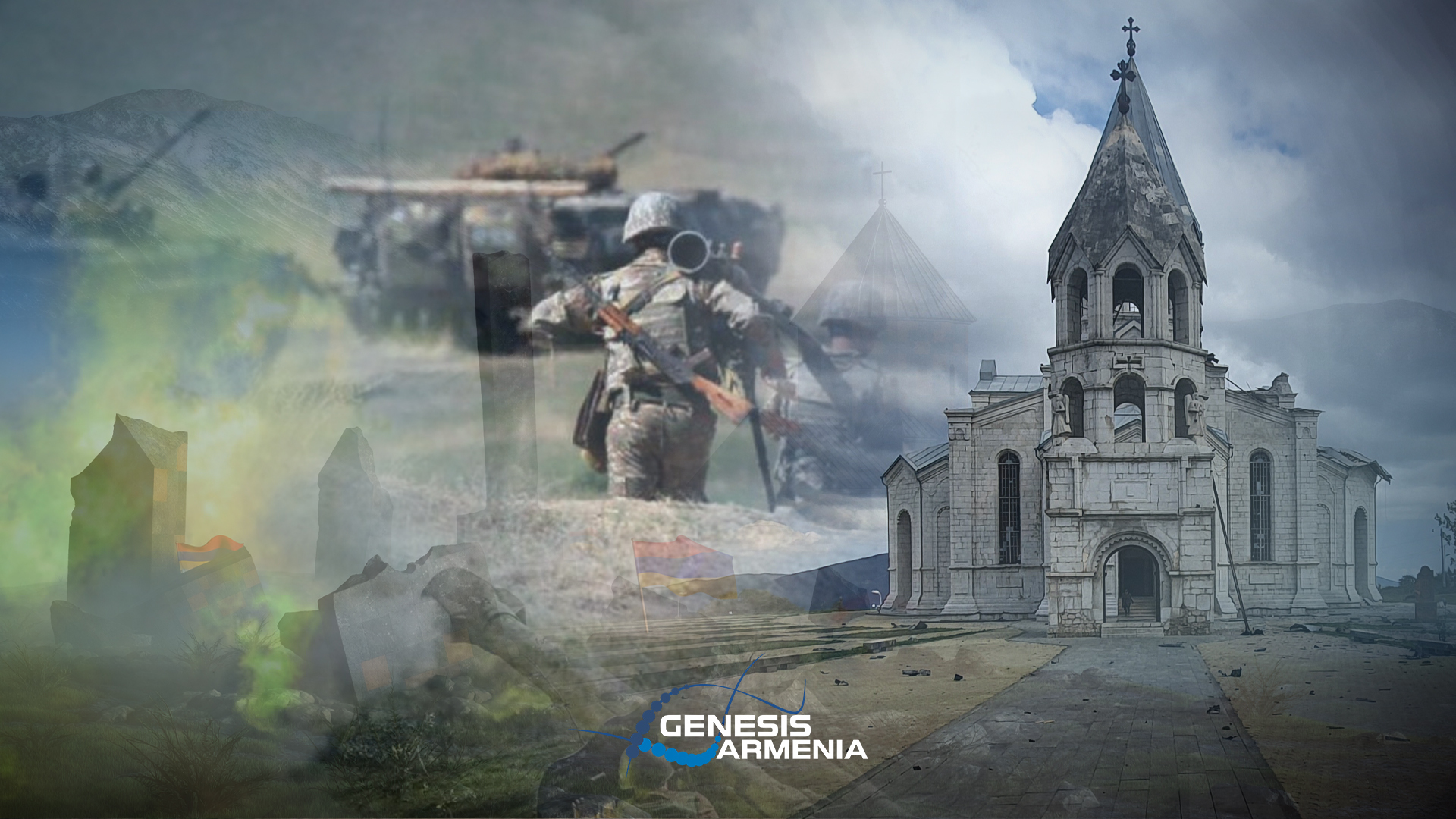
Five years after the enforced defeat in the war, the authorities of the Republic of Armenia continue a destructive policy of successive territorial and sovereignty concessions, presenting the illusion of a fake peace as the best alternative. With the document of November 9, 2020, the foundations of Armenian statehood suffered a systemic and value-based blow; the vision of peace was replaced by an asymmetrical strategic balance and by new and repeated existential and security threats against Armenia and the Armenian people.
What was a more or less established Armenian security system was gradually dismantled, diplomacy stepped out of the orbit of serving national-state interests and goals, Artsakh — rebuilt at the cost of thousands of lives and the collective effort of the nation — was depopulated, the Republic of Armenia lost sovereign territories, the perceptions of international partners about the capabilities and combat, moral and psychological readiness of the Armenian army, and the trust of allies, while Azerbaijan and Turkey began to dictate the internal political agenda in Armenia, imposing humiliation and further concessions.
Today Armenia presents itself to the world without a strategic agenda, without a clear security architecture, without the will and aspiration to be an actor; instead, the authorities display a readiness to act as a lame and obedient unit of neo-Turanism in the South Caucasus, packaging the illusion of peace. But for Armenians and Armenia to live freely, they must live under conditions of real peace. Real peace cannot be unjust, otherwise the region will remain trapped in an endless chain of wars.
Peace between Armenia and Azerbaijan requires the will to recognize each other’s existence and respect for sovereignty, the release of prisoners of war held in Baku and undergoing fabricated legal cases, the re-editing of Armenia’s foreign policy agenda, and the domestic and international recognition of the right of the people of Artsakh to a collective return to their homes.
Armenian memory must be just — first and foremost in the matter of learning from the mistakes and missteps of our own history. Silence and adaptability cannot serve as a basis for progress. Peace is not given; it is built by taking into account the interests of all the peoples and states of the region, the norms of international law, tangible and guaranteed security mechanisms, and the combat restoration of the Armed Forces as the guarantor of Armenian military-political security.
Genesis Armenia’s vision is that Armenia and Azerbaijan must agree not to wage war, but it is also necessary to struggle for the establishment of justice. This is the moral law of peoples, the guarantee of states’ independence, and the vision for maintaining balance among systems in the region.
Statehood is not defended with short-term bargaining, but with national collective will, the depth of strategic thought, tactical flexibility, and by ensuring public consolidation around national-state goals.
We must stand not under the shadow of a painful past, but before the responsibility of development and the victory of values. Nations and states are defeated only when they overestimate their own capabilities, lose the compass of sober calculation, become divided, cut off from political reality, and cease to believe in the natural right to live, to create, and to develop.
November 9 should remind us not of the pain of the defeat inflicted by the destructive adventurism of the Armenian authorities in war and of another enemy aggression, but of the responsibility of statehood. We are obliged to go beyond the logic of coercion and rebuild the ideological and value-based resistance of Armenians, and the diplomatic and military-political resistance of Armenia.
There will be a collective return to Artsakh!
We honor the souls of those who fell in the cause of liberating the homeland.