Announcements
The illusion of “peace” under unilaterally imposed terms
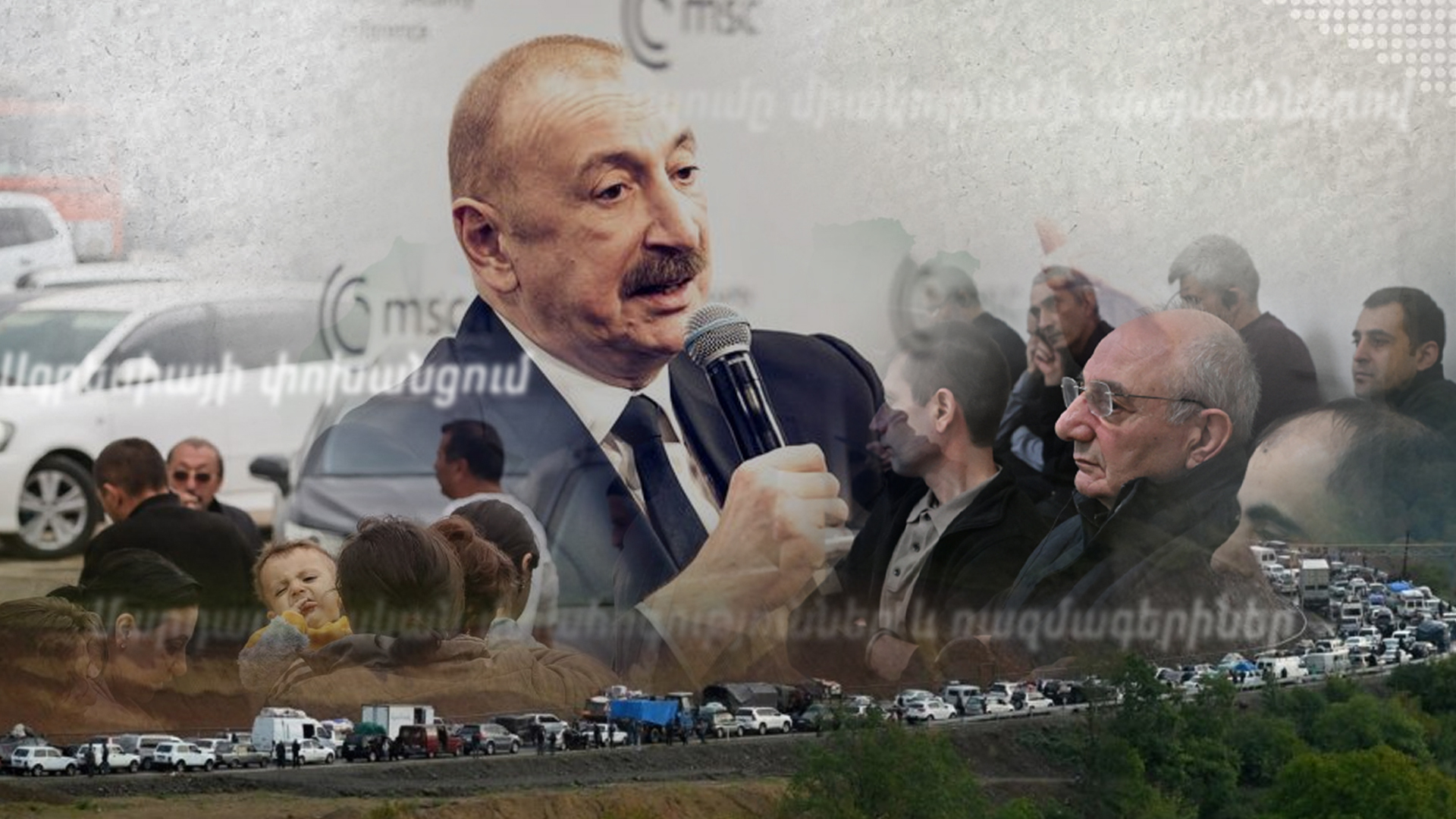
At the 62nd Munich Security Conference, President Aliyev once again made it clear that the precondition for a final peace agreement is the removal of certain historical references from Armenia’s constitution, effectively placing the entire burden of peace on Armenia’s internal legal processes.
Aliyev sidesteps the fundamental issues of the settlement, including security guarantees, negotiations on the rights of the Artsakh Armenians and borders, and instead sets Armenia’s sovereign constitutional framework as a precondition for peace, which, in our view, undermines genuine peace.
Transmitting aggression through rhetoric and regional politics
Aliyev demonstrates a consistent pattern of firm and uncompromising rhetoric regarding Armenia. Although he praises the “peace” achieved, his insistence on constitutional amendments in Armenia conveys the impression that peace is conditional, rather than based on mutual coexistence.
His statements tend to reflect territorial ambitions, framed as the promotion of corridor projects, which, in our opinion, may undermine Armenia’s sovereignty rather than foster genuine equal transit cooperation. Such rhetoric cannot build trust, especially when delivered on high-profile platforms like the Munich Security Conference.
Humanitarian concerns and prisoners of war
While Aliyev claims that “peace is being established,” humanitarian issues remain unresolved. The Artsakh leadership and dozens of Armenian prisoners of war remain in Azerbaijani custody, where international humanitarian norms continue to be violated.
Aliyev’s statements at the Munich Conference do not indicate a willingness to take concrete steps, such as releasing detainees or granting amnesty. Instead, they give the impression that humanitarian issues are being used as political tools rather than addressed as part of reconciliation.
His rhetoric may also harm regional stability. When it is claimed that “peace has already been achieved” without addressing unresolved issues, there is a risk that peace will remain merely rhetorical rather than a legally binding and genuinely guaranteed process.
Linking peace to constitutional changes in Armenia diverts attention from real negotiations and creates new tensions. As long as core issues—such as the rights of Artsakh Armenians, the release of prisoners of war, and clear post-conflict mechanisms—remain unresolved, talking about “peace” becomes an empty and dangerous illusion that only delays genuine stability.