What game is Turkey playing?

Research
Part Two
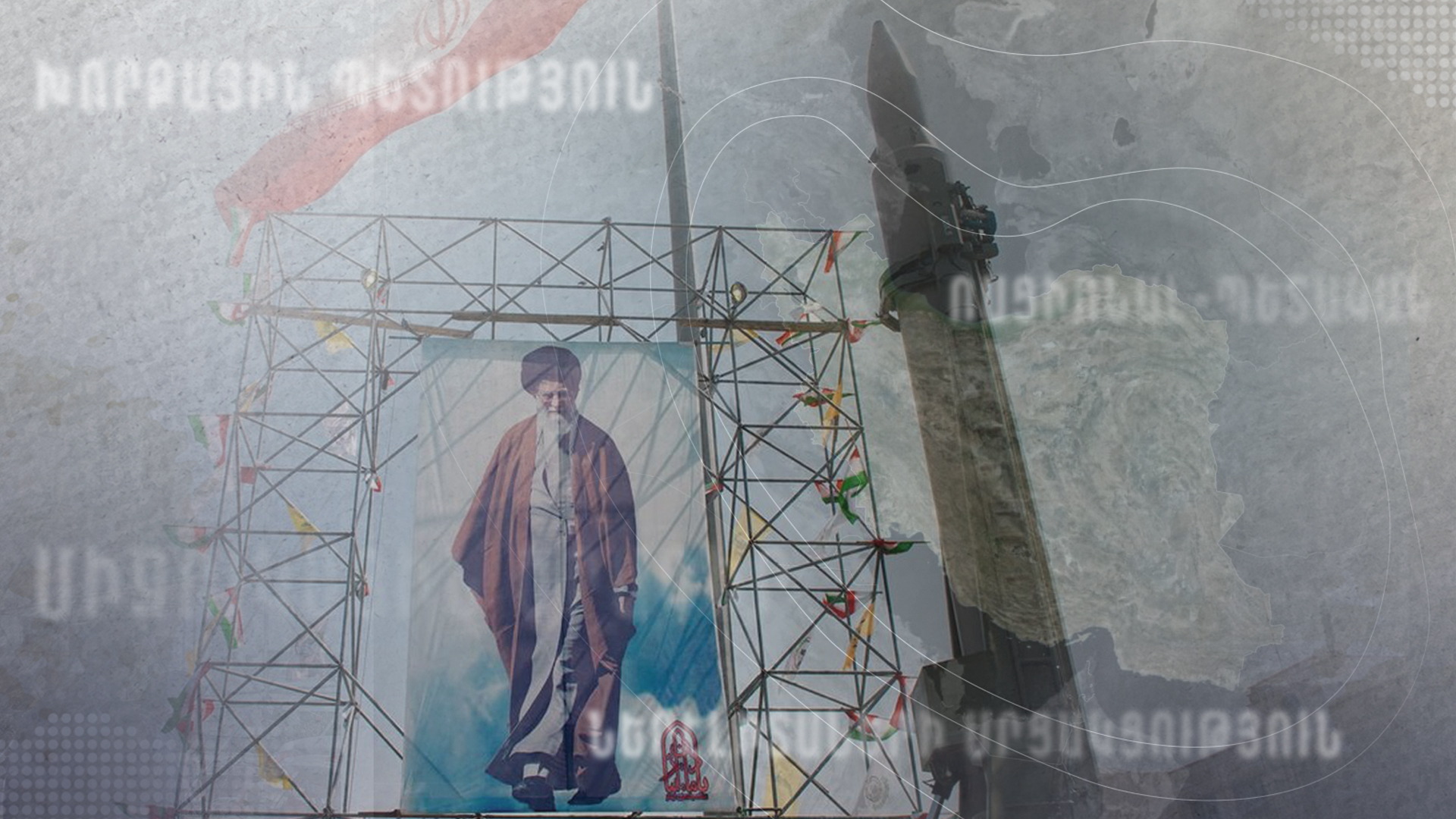
To better understand how political decisions are made in Iran, let us examine how the decision to pursue a nuclear program was formed.
The initial decisions regarding Iran’s peaceful nuclear program were made during the previous regime, under the Shah. In the Islamic Republic, the first phase dates back to the 2000s, when the idea began to take shape that Iran needed nuclear capacity to address a looming energy crisis linked to water scarcity. Naturally, this perception was also largely driven by pressure from the United States, the Israeli factor, and regional threats.
Second phase: Discussions began within the military bloc, primarily involving the Islamic Revolutionary Guard Corps, scientific-nuclear teams, and national security bodies. These discussions led to the formation of a core strategy: “nuclear capability without producing or acquiring nuclear weapons.”
Third phase: This stage can be characterized as a struggle between political camps. Two main approaches emerged in Iran:
Fourth phase: This is the phase of the “red lines” set by the supreme leader. Ayatollah Ali Khamenei defined the key principles:
These principles became the guiding framework for the entire system behind the program.
Fifth phase: This stage can be described as the decision to implement the Joint Comprehensive Plan of Action (JCPOA), during 2013–2015. It was decided to move toward an agreement, and the government began negotiations with the approval of the supreme leader. International negotiations continued until the first presidency of Donald Trump.
Sixth phase: This phase is characterized by the United States’ withdrawal from the agreement. Confronted with this reality, Iran decided to gradually violate the restrictions and advance uranium enrichment levels.
Thus, Iran’s decision-making process regarding nuclear weapons has gone through the following stages:
Naturally, such a multilayered decision-making system in Iran has led to various interpretations. The main analytical frameworks explaining Iran’s political decision-making system, each with its strengths and weaknesses, are as follows:
This perspective is mainly promoted by Western analysts.
Decisions are the result of internal struggle and compromise.
For example, the nuclear program is seen as a tool of deterrence. This theory is often used by scholars of international relations.
Conclusion
Iran cannot be explained by a single theory. In my view, the more accurate picture is the following combination: a deep state, intra-elite competition, a rational–state interest model. Most importantly, Iran’s decision-making system should be seen not as a single mechanism, but as a balance between several power centers operating simultaneously.
This is the political decision-making mechanism of our friendly Islamic Republic of Iran—an institutional system guided by state interests.